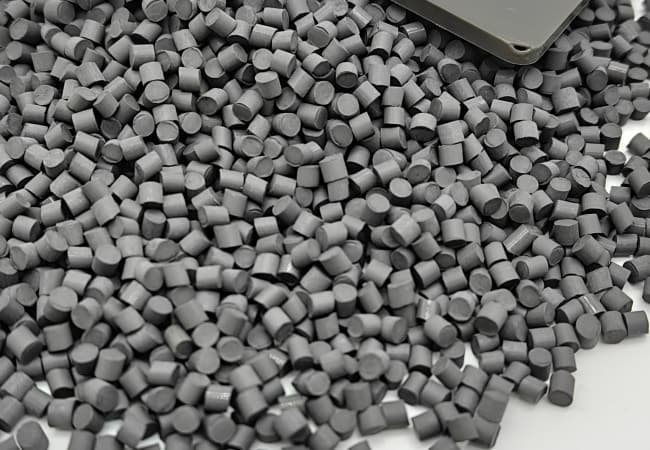
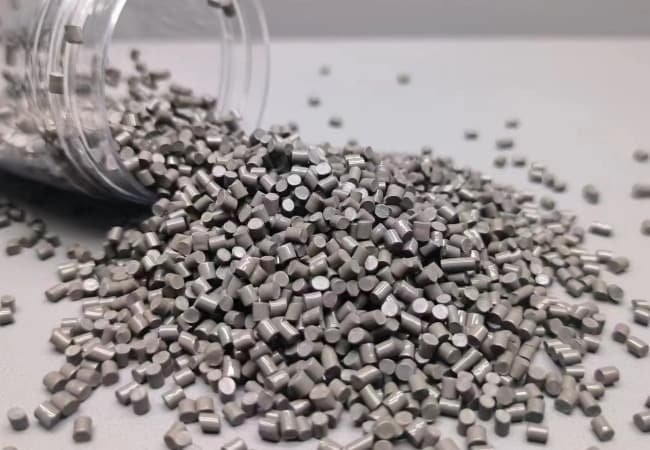
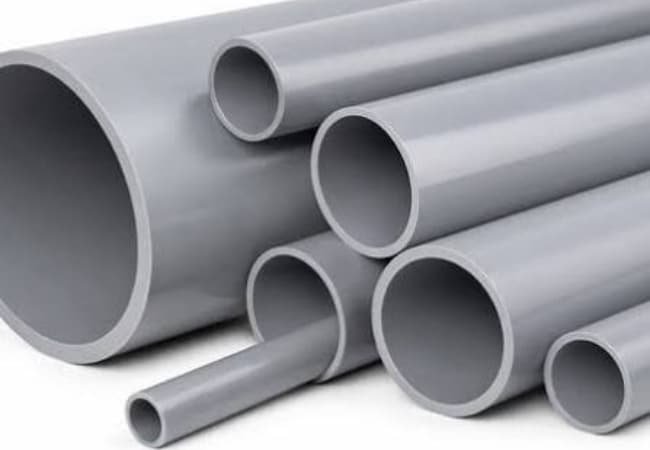
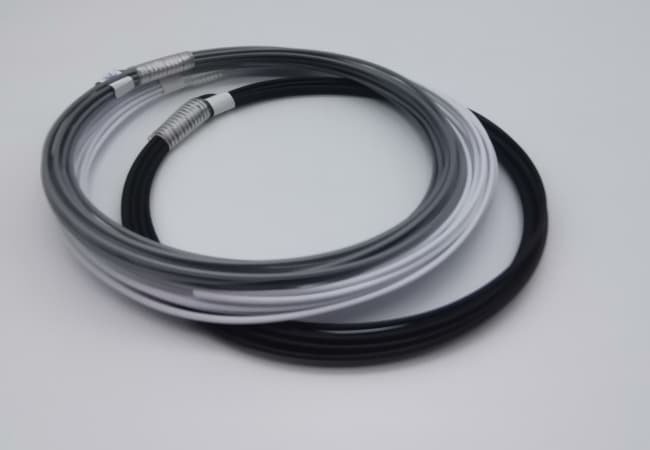
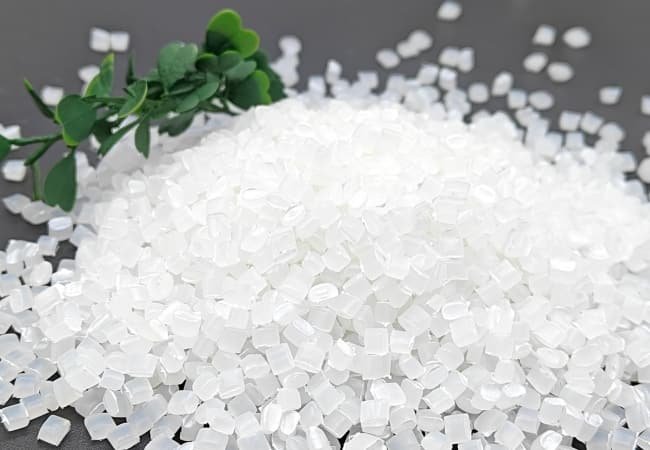
Gray seems like the most basic color, yet a good gray is capable of delivering very high visual standards.
However, when it comes to the plastics sector, grey masterbatch is the most problematic color to produce.
Black dots?
Gels?
Big variations between different batches?
In terms of our production practice, controlling gray masterbatch consistency proves more challenging than other solid colors.
Send Your Inquiry Today
Key informations
Let down ratio: 2-10%
Carrier: PE, PP, TPU, ABS, PC, PET, PA, EMA, etc.
MFI:5-1000g/10min
Mositure:<0.3%
High dispersion
High quality feelings
Uniform colors
Environment friendly
Quantity per bag/box: 25Kg/500-1000KG
Weight per box (kg) : 8-10kg
Wooden fumigated pallets: 15-20KG
20-foot container: weight< 20T; the exact quantity depends on the type of masterbatch.
40-foot container: weight<28T; the exact quantity depends on the type of masterbatch.
Why is Gray Masterbatch Difficult to Handle?
Gray masterbatch is not simply “one pigment” as it consists of:
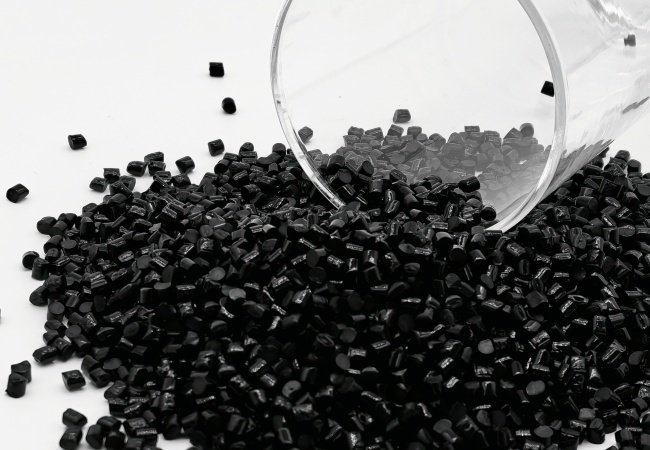
Carbon black
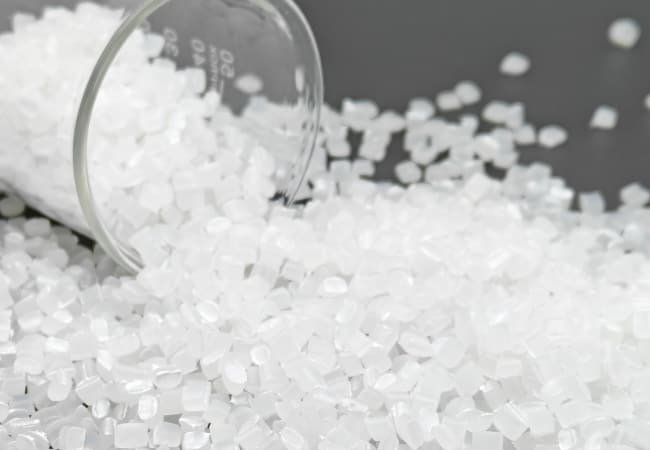
Titanium dioxide
Toning pigments
In a definite ratio.
From our experience, there may be differences between various gray formulations; however, the key ingredients of titanium dioxide and carbon black generally create color specks. This seriously puts the reliability of a supplier to the test.
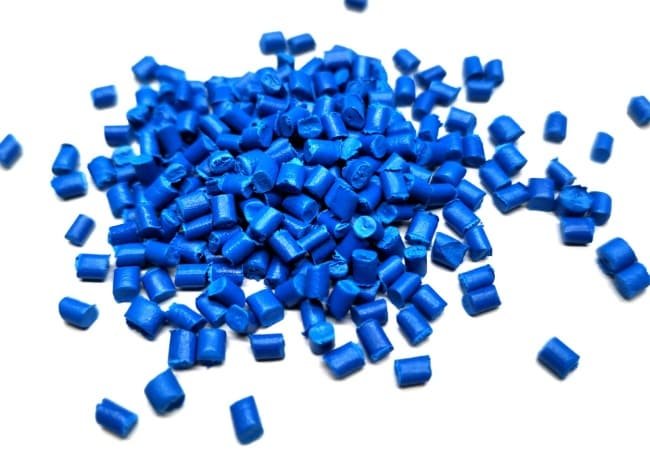
Standard can provide custom blue masterbatches designed for stable processing, whether your products involve cast film, blown film, nonwovens, spinning, artificial turf fibers, pipes, or wires and cables.
We can provide solutions for situations where production speeds cannot be increased due to poor dispersion of blue, or because of blue color drift in continuous high temperature production conditions, or if you need to meet ISO10993 biocompatibility blue masterbatch.
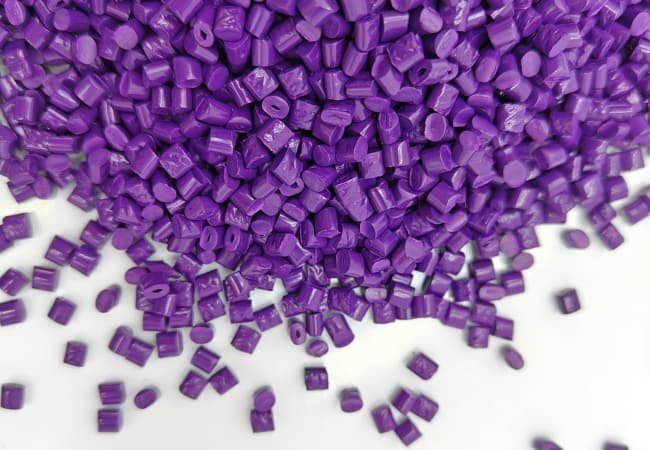
Standard compounding is engineered to meet the high performance requirements of multiple industries. Through precise formula control and material mixing, they provide your products with good thermal stability, durability, and special features, enabling products to gain competitive advantages in demanding applications such as automotive, electronics, and high-end packaging.
Choose us, our compounding enable you to achieve efficient and controlled production processes, and ensure that materials perform more reliably and are easier to use in high-intensity applications.
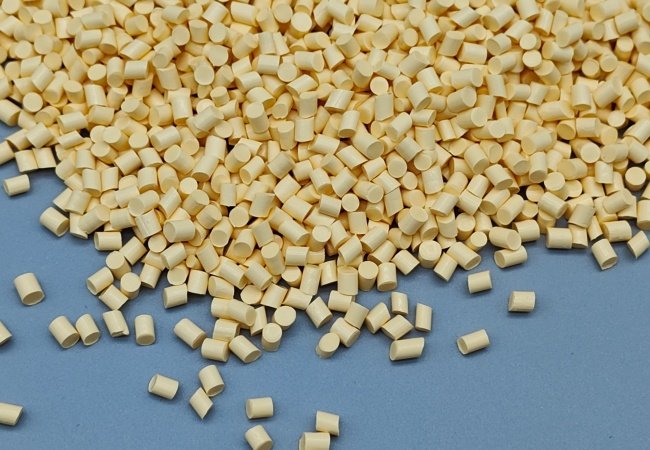
As a leading yellow masterbatch manufacturer in China, Standard offers customized yellow masterbatch solutions for different application scenarios. Based on nearly 20 years of R&D experience and the U.S. formula system, it can achieve Pantone/RAL color card color matching and pattern reduction, color stability, and small batch color differences. It supports customized weather-resistant UV, food grade (FDA), weightless metals, and other special features, meeting international standards such as ROHS/REACH.
It is widely applied in areas such as packaging films, fiber nonwovens, building materials and piping, automotive interiors, daily consumer goods, and toys.
The magic comes with its formulation and matching.